
There’s a familiar pattern to a column by The Guardian’s Arwa Mahdawi. A target is selected. Motives are assigned. The argument’s skipped. Then comes the moral verdict, delivered by someone who’s already decided what you are before reading what you wrote.
I know the routine because I’ve been on the receiving end. Back in 2024, when I argued that Taylor Swit might not be the role model her admirers insist she is, Mahdawi didn’t engage with a single point. There was no attempt to weigh the cultural influence, the contradictions, the busy romantic résumé. Instead, I was cast as a nobody from another century. A cartoon misogynist.
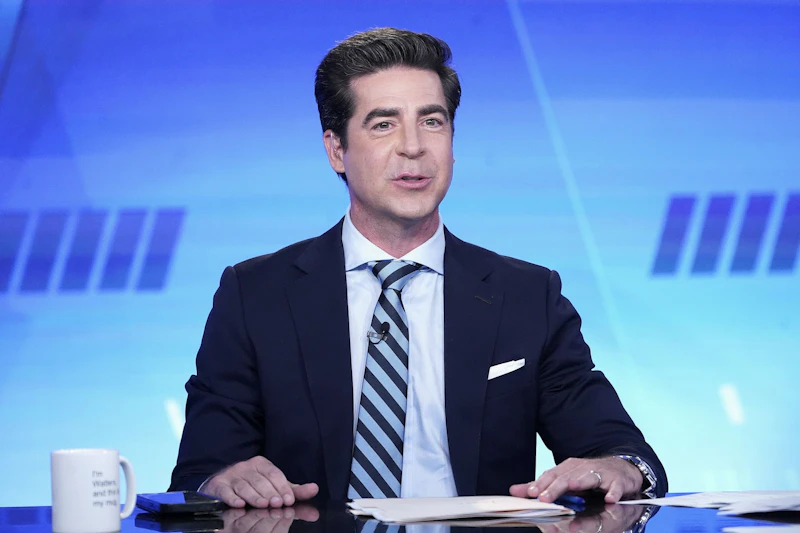
So her latest swipe, this time circling comments made by Jesse Watters, is less analysis and more muscle memory. Watters plays the provocateur. He plays offense and defense simultaneously, and convinces half the country he's the one attacked. It’s tiresome. I’m not defending Waters. He’s a Trump lackey, a man who wouldn’t criticize the president if he set up a stall on the White House lawn and started selling Teslas.
But hidden beneath Waters’ insistence that many Americans aren’t eager for a female president are points that don’t just disappear because the messenger is someone Mahdawi dislikes. Real leadership requires calmness under pressure. It’s judgment when the stakes are high and the room turns hostile. Mahdawi refuses to touch any of that. She frames the entire discussion as a moral, misogynistic failing. To even entertain the idea that men and women might, on average, bring different traits to leadership becomes, in her telling, evidence of troglodytic thinking.
There have been formidable female leaders. Margaret Thatcher stands out. Not because she fit a template, but because she broke it. Thatcher governed with a style more often associated with her male counterparts. She was decisive, combative, and, at times, cutthroat. The “Iron Lady” didn't earn that nickname by bringing homemade scones to Cabinet meetings.
And there are more recent examples. Jacinda Ardern was widely praised abroad for her empathy-driven approach. Yet her time in office ended amid growing domestic discontent, policy fatigue, and a sense that outcomes weren’t matching the promise. In the UK, Liz Truss destabilized the British economy so quickly that it almost looked intentional. She was gone in less than 45 days—shorter than the average gym membership, and considerably less productive. Different styles, different contexts, yet both ran headlong into the same hard limits of governance. Leaders rise. Leaders fall. Gender grants no immunity from scrutiny.
The same applies in the United States. The failures of Hillary Clinton and Kamala Harris to secure broad, lasting trust have more to do with credibility than chromosomes. Clinton spent decades accumulating a reputation for lies and deceit. Her relationship with transparency was nonexistent as a woman so instinctively guarded she'd redact her own grocery list. Voters noticed. Harris approached retail politics as though it were a hostage negotiation she hadn't been briefed on.
Mahdawi prefers a simpler story. If a woman falls short, the system must be at fault. If a man criticizes, the motive must be prejudice. It’s neat and emotionally satisfying. It also shuts down any serious discussion before it begins.
None of this lets Trump off the hook. He’s a walking demolition derby who keeps getting hired as the contractor. This is an individual who appears to have no morals, principles and virtually no coherent thoughts. Nevertheless, leadership at the highest level has long rewarded traits that skew traditionally masculine—risk tolerance, aggression in negotiation, and emotional detachment in crisis. Essentially, the qualities that make a terrible dinner guest make a surprisingly effective apex predator in certain political ecosystems.
That doesn’t mean women can’t embody those traits. Thatcher proved they can. But pretending the conversation ends at “any difference is sexist” is an evasion, not a rebuttal.
Mahdawi doesn’t want a debate. She wants a verdict. The problem is that reality keeps intruding. Leaders succeed or fail on their merits. Voters decide who they trust. And no amount of column-writing, however indignant, can override that simple fact.