
Fifty years ago, six films arrived in American cinemas that changed what movies were allowed to say and do. All were superb. Rocky. Network. All the President’s Men. Carrie. The Omen. Taxi Driver. Hollywood hasn’t managed such a streak since —and likely never will.
None of it happened by accident. America in 1976 was a country that had recently learned, in public, that its president was a conniving crook. Vietnam had drained the nation’s blood and spirit. The economy sputtered. Faith in the future flickered like a bad motel sign. Hollywood noticed.
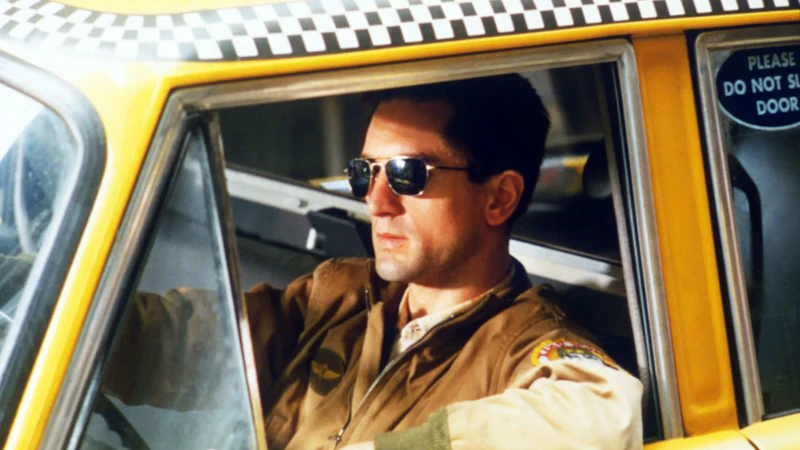
Taxi Driver took the anger, exhaustion, the creeping suspicion that America was lost—and turned it into something that was a masterpiece. Travis Bickle may drive through puddles, but he’s really circling a drain. Martin Scorsese shot New York like a nightmare in fluorescent light: wet, filthy, forever twitching. Everything onscreen looks like it needs a long shower and a lawyer. Every frame is faintly contaminated, and that's the point. Bickle’s narration reads like the Book of Revelation written in cheap ink: half-diary, half-confession, fully deranged. He isn't a rebel or martyr but a symptom with a gun, a man who hates the city because it reflects his own face too clearly. In 1976, audiences recognized the look. They’d seen it in the mirror.
Then came the counterpunch: Rocky. If Bickle was decay, Balboa was defiance. No irony or bitterness. Just bruised, stubborn hope. Stallone wrote it fast, fought to star in it, and nearly lost everything for the chance. That gamble mirrored the film’s story perfectly. A small movie about a small man refusing to stay small. It cost next to nothing and earned a fortune. The real shock wasn’t its success but its sincerity. After years of cynicism, the idea that hard work might count for something was radical.
Meanwhile, Network screamed. Paddy Chayefsky predicted an age in which outrage became currency. His mad prophet, Howard Beale, melts down live on air and is rewarded with a prime-time show. It was satire that turned out to be scripture. “I’m mad as hell” is now a meme and a mantra. Chayefsky thought he was exaggerating. He wasn't. He just saw further down the road than anyone wanted to look.
All the President's Men trusted the truth to carry it. Given the truth in question, that was a reasonable bet. The film was supposed to be a period piece by now. It isn't. Anyone following the news in 2026 will recognize the wallpaper. It was meant to be a cautionary tale, the kind you learn from and move on. America, characteristically, kept it as a template. Pakula’s direction was spare, almost surgical. The tension came from patience—from two reporters peeling back the layers of deceit with nothing but questions. Redford and Hoffman made journalism seem glamorous, which might’ve been the last time that was possible.
Not everyone wanted realism. Carrie and The Omen offered something darker, weirder, more primal. Brian De Palma had already shown in Sisters and Obsession (another excellent 1976 release) that he understood how to make an audience wait—and how to make the waiting unbearable. Carrie was that instinct perfected. It's a film about cruelty first, horror second—the slow, grinding humiliation of an outsider until something ancient and terrible wakes up. De Palma knew exactly which nerve he was pressing.
The Omen went the other way entirely—bigger, stranger, theologically ambitious. Gregory Peck, once the screen's great moral conscience, spent the film discovering his son was evil. What made it work was the straight face. The film treated its own blasphemy as fact, and Peck's mounting dread as entirely reasonable.
Six films. No shared genre. Just guts. Each stared at something ugly—corruption, despair, violence, vanity—and refused to look away. The 1960s had promised transcendence. The 1970s offered a reality check. By 1976, the idealism had soured, the institutions had cracked. Six filmmakers absorbed everything—the failures, the fury, the collective disillusionment—and made films of such honesty that the year stands alone.